Thinking about rhinoplasty in Turkey? You’re far from alone. Over the last decade, Istanbul, Izmir, and Antalya have become magnets for patients seeking nose reshaping with experienced surgeons, modern clinics, and clear pricing. This guide walks you through what to expect (from choosing a surgeon and understanding costs to travel logistics and recovery) so you can plan with confidence and realistic expectations. The aim isn’t hype; it’s clarity. If you’re comparing options across countries, this will help you decide whether rhinoplasty in Turkey aligns with your goals, timeline, and budget.
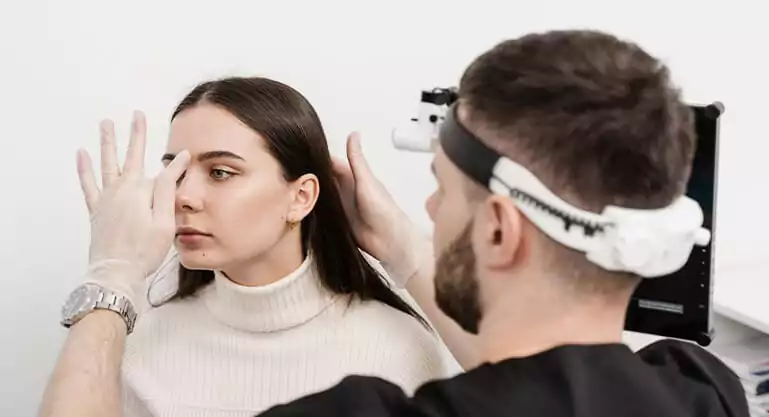
Rhinoplasty in Turkey is a popular choice due to affordable prices and experienced, internationally accredited surgeons.
Turkey offers high-quality rhinoplasty procedures at a fraction of the cost compared to Western countries. Clinics in Istanbul, Ankara, and Izmir are equipped with modern technology and English-speaking staff. Most packages include consultation, surgery, accommodation, and post-operative care. Patients often choose Turkey for the combination of medical expertise and tourism appeal. The country’s growing reputation in cosmetic surgery makes it a top destination for nose reshaping procedures.
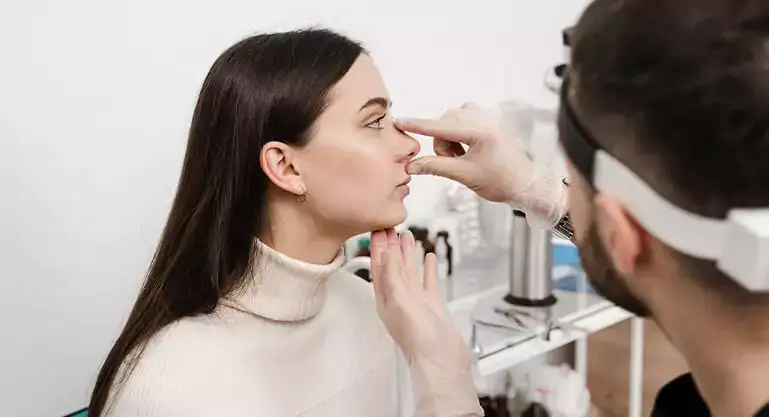
Travelers choose Turkey for a combination of experienced surgeons, modern private hospitals, and efficient scheduling. You can usually coordinate dates without waiting months, which matters if you are aligning annual leave, study breaks, or family commitments. Many clinics work daily with international patients, so logistics feel familiar from the moment you request a photo assessment to the day you remove your splint.
Another draw is the culture of hospitality. Airport transfers, hotel coordination, and interpreter support are routine rather than add ons, which reduces stress when you arrive in a new city. Add vibrant destinations like Istanbul and coastal hubs with calm neighborhoods for recovery, and the plan starts to feel practical instead of complicated. In short, Turkey combines clinical depth with traveler friendly systems that help you focus on recovery.
Fees depend on the surgeon’s seniority, the complexity of your anatomy, whether it is a primary or revision case, the level of hospital facility, anesthesia team, and what your package includes. Geography inside the country and seasonal demand can also influence quotes. Reputable clinics provide personalized estimates after reviewing photos and medical history rather than guessing. You should factor in incidental travel costs such as extra hotel nights if your flight changes or an additional follow up if your surgeon prefers a longer observation window.
Ethical providers will outline every inclusion before you pay a deposit, which helps you compare like for like.
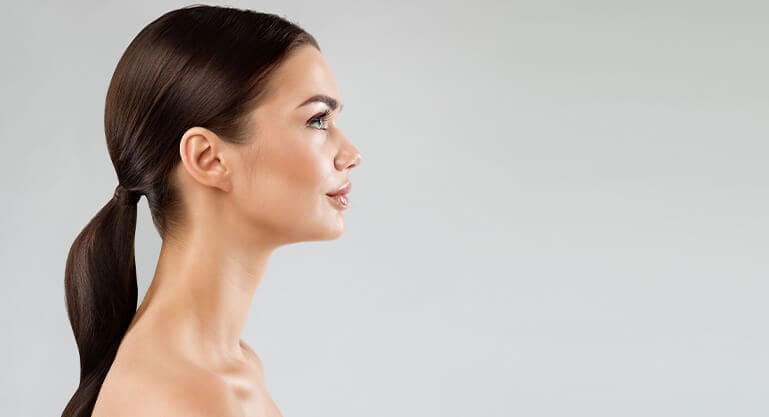
The benefits start with personalization. Surgeons consider both cosmetic goals and functional issues such as septal deviation or turbinate hypertrophy, so your plan addresses shape and airflow together. Preoperative discussions often include digital imaging that helps you and the surgeon align on proportion, tip definition, and dorsal contour. Aftercare is another strong point.
Clinics provide clear instructions, manage medications, and schedule checkups so you are never guessing about what is normal swelling and what needs a call. Because the medical tourism ecosystem is mature, you also get practical guidance on flights, rest days, and timing for safe return home. The net effect is a smoother journey from first message to final check, which many patients describe as a relief during a life changing decision.
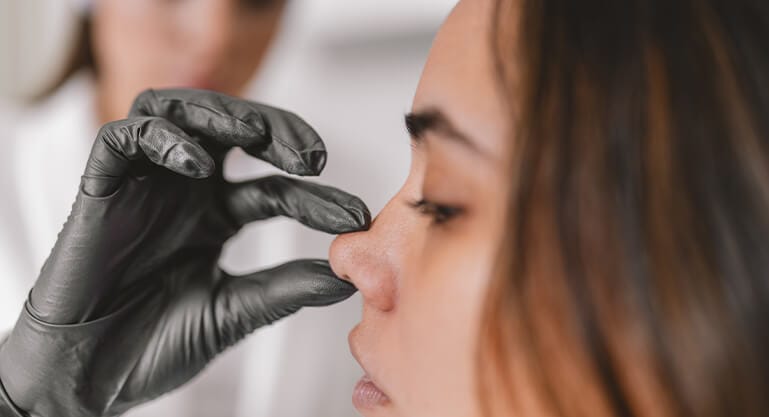
Before surgery, your consultation covers medical history, breathing concerns, previous injuries, and aesthetic goals. Photographs from multiple angles help with planning and expectation setting. You receive preoperative instructions about fasting, skincare, and any medications to pause. On the day, you meet anesthesia staff, review the plan, and confirm post op contact details. After surgery, you wake in recovery with a nasal splint and, in some cases, internal supports. Mild congestion and pressure are normal in the first week.
Pain is usually manageable with standard medication prescribed by your team. Sleep with your head elevated, use cool compresses as advised, and avoid glasses resting directly on the bridge until cleared. Splint removal commonly happens around a week, which is when many patients feel presentable for low key outings. Bruising fades over one to two weeks, while subtle swelling continues to settle over months, especially at the tip. Your surgeon will map out a realistic timeline so you know what to expect at each stage.

Istanbul is the most popular city for Rhinoplasty in Turkey because it concentrates high volume surgeons, international hospitals, and hotels near major clinics. You can move between airport, accommodation, and operating facility with minimal transfers. Ankara appeals to patients who prefer an academic setting with access to teaching hospitals and research informed protocols. Izmir offers a calmer pace with modern clinics and coastal neighborhoods that many find restful during recovery. Antalya draws medical travelers who want resort style accommodations, although quiet rest still comes first during the early days. The best city for you is the one where the right surgeon practices, with travel convenience and hotel comfort as helpful bonuses.


Safety is a system rather than a single decision. When you choose a qualified surgeon, an accredited hospital, and a plan that respects your health profile, Rhinoplasty in Turkey can be as safe as surgery in any major medical hub. Preoperative screening looks for conditions that raise risk, such as smoking, uncontrolled blood pressure, or clotting issues. Intraoperative technique preserves structural support so form and function improve together. Postoperative guidance minimizes avoidable problems with clear rules about activity, sleep, and wound care. Your role matters too. Share your full medical history, follow instructions closely, and ask questions when something feels unclear. A careful team and an informed patient reduce the chance of surprises.

Always read the inclusions line by line, and ask how changes in travel dates are handled so you can budget without guesswork.


Rhinoplasty in Turkey typically costs between $2,500 and $4,500, depending on the clinic and surgeon’s experience.
This price often includes consultation, surgery, accommodation, and airport transfers, making it highly cost-effective. Turkish clinics offer all-inclusive packages that attract international patients seeking both affordability and quality. Compared to prices in the US or UK, where rhinoplasty can exceed $8,000, Turkey provides significant savings without compromising standards. Istanbul is the most popular city for cosmetic surgery, known for its skilled surgeons and modern facilities.
Yes, Turkey is considered a very popular destination for rhinoplasty because it offers experienced surgeons, advanced medical facilities, and treatment options that are attractive for international patients. Many people choose Turkey for both aesthetic results and the overall treatment experience.
Most patients are advised to stay in Turkey for around several days after rhinoplasty so the early healing period can be monitored properly. This also allows time for follow-up appointments, dressing checks, and confirmation that the patient is fit to travel.
Rhinoplasty in Turkey can be safe when it is performed by a qualified and experienced surgeon in a reputable clinic with proper medical standards. As with any surgery, safety depends more on the doctor, planning, and clinic quality than on the country alone.
Rhinoplasty recovery is usually described as more uncomfortable than painful, especially during the first days after surgery. Swelling, nasal congestion, pressure, and mild soreness are common, but these symptoms generally become easier to manage as healing progresses.
The final rhinoplasty result is usually not visible immediately because swelling takes time to settle fully. While the nose starts to look better in the early months, the most refined and final appearance often becomes clearer gradually over a longer healing period.
Yes, rhinoplasty in Turkey can help correct a crooked nose by improving the external shape and, when necessary, the internal nasal structure as well. The exact result depends on the severity of the deviation and the patient’s anatomy.
A second surgery is not usually necessary for most patients, especially when the procedure is carefully planned and performed well. However, in some cases, a revision procedure may be needed if healing affects the result or if the patient has functional or aesthetic concerns later on.
Yes, many patients can fly after rhinoplasty in Turkey, but the exact timing depends on the surgeon’s recommendation and the patient’s condition during recovery. It is important to wait until the doctor confirms that early healing is stable enough for travel.
Yes, rhinoplasty in Turkey is often considered more affordable than in many other countries, which is one reason it attracts international patients. However, the total cost can still vary depending on the clinic, the surgeon’s experience, and the complexity of the procedure.
Preparing for rhinoplasty in Turkey usually includes an online or in-person consultation, sharing medical history, arranging travel details, and following pre-operative instructions carefully. Patients are also generally advised to plan enough time for recovery and post-operative checkups before returning home.
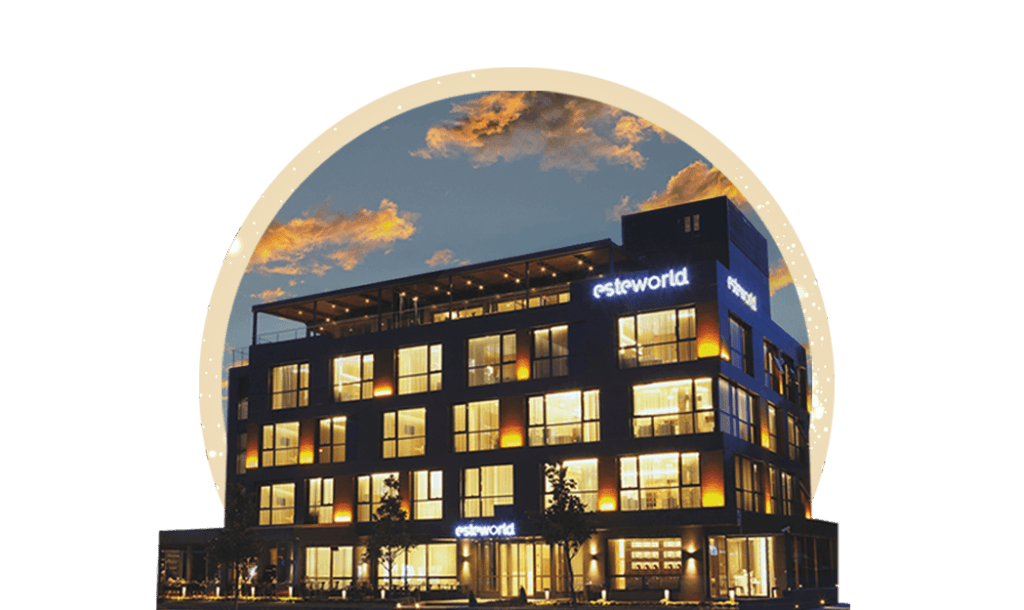
As Esteworld Health Group, Turkey’s leading provider of plastic and aesthetic surgery services, we have been offering aesthetic services at the highest medical standards since 1994 under the slogan “Healthy beauty!”



By Metrobus:
You can get off the Metrobus at Uzunçayır station and then take the minibuses and buses to Metropol Shopping Mall.
Bus Transportation:
You can take buses numbered 8K-10-10A-10EK-13-13ŞB-13AB-14ŞB-16M-19EK-19M-KM46-256 and get off at Ataşehir Plazalar stop.
Transportation by minibus:
You can take Üsküdar-Ferhat Paşa, Üsküdar-Ataşehir, Ümraniye-Ataşehir minibuses and get off at Ataşehir Plazalar stop.
By Metro
You can use the M4 Kadıköy-Sabiha Gökçen metro line and get off at Yenisahra or Kozyatağı stops and then take buses and minibuses to Metropol AVM.
Transportation from Sabiha Gökçen Airport:
You can take the M4 Kadıköy-Sabiha Gökçen metro line and get off at the Kozyatağı stop and then take the minibuses and buses to Ataşehir Metropol AVM.