Thinking about rhinoplasty in Turkey? You’re far from alone. Over the last decade, Istanbul, Izmir, and Antalya have become magnets for patients seeking nose reshaping with experienced surgeons, modern clinics, and clear pricing. This guide walks you through what to expect (from choosing a surgeon and understanding costs to travel logistics and recovery) so you can plan with confidence and realistic expectations. The aim isn’t hype; it’s clarity. If you’re comparing options across countries, this will help you decide whether rhinoplasty in Turkey aligns with your goals, timeline, and budget.
Rhinoplasty in Turkey is a popular choice due to affordable prices and experienced, internationally accredited surgeons.
Turkey offers high-quality rhinoplasty procedures at a fraction of the cost compared to Western countries. Clinics in Istanbul, Ankara, and Izmir are equipped with modern technology and English-speaking staff. Most packages include consultation, surgery, accommodation, and post-operative care. Patients often choose Turkey for the combination of medical expertise and tourism appeal. The country’s growing reputation in cosmetic surgery makes it a top destination for nose reshaping procedures.
Travelers choose Turkey for a combination of experienced surgeons, modern private hospitals, and efficient scheduling. You can usually coordinate dates without waiting months, which matters if you are aligning annual leave, study breaks, or family commitments. Many clinics work daily with international patients, so logistics feel familiar from the moment you request a photo assessment to the day you remove your splint.
Another draw is the culture of hospitality. Airport transfers, hotel coordination, and interpreter support are routine rather than add ons, which reduces stress when you arrive in a new city. Add vibrant destinations like Istanbul and coastal hubs with calm neighborhoods for recovery, and the plan starts to feel practical instead of complicated. In short, Turkey combines clinical depth with traveler friendly systems that help you focus on recovery.
Fees depend on the surgeon’s seniority, the complexity of your anatomy, whether it is a primary or revision case, the level of hospital facility, anesthesia team, and what your package includes. Geography inside the country and seasonal demand can also influence quotes. Reputable clinics provide personalized estimates after reviewing photos and medical history rather than guessing. You should factor in incidental travel costs such as extra hotel nights if your flight changes or an additional follow up if your surgeon prefers a longer observation window.
Ethical providers will outline every inclusion before you pay a deposit, which helps you compare like for like.
The benefits start with personalization. Surgeons consider both cosmetic goals and functional issues such as septal deviation or turbinate hypertrophy, so your plan addresses shape and airflow together. Preoperative discussions often include digital imaging that helps you and the surgeon align on proportion, tip definition, and dorsal contour. Aftercare is another strong point.
Clinics provide clear instructions, manage medications, and schedule checkups so you are never guessing about what is normal swelling and what needs a call. Because the medical tourism ecosystem is mature, you also get practical guidance on flights, rest days, and timing for safe return home. The net effect is a smoother journey from first message to final check, which many patients describe as a relief during a life changing decision.
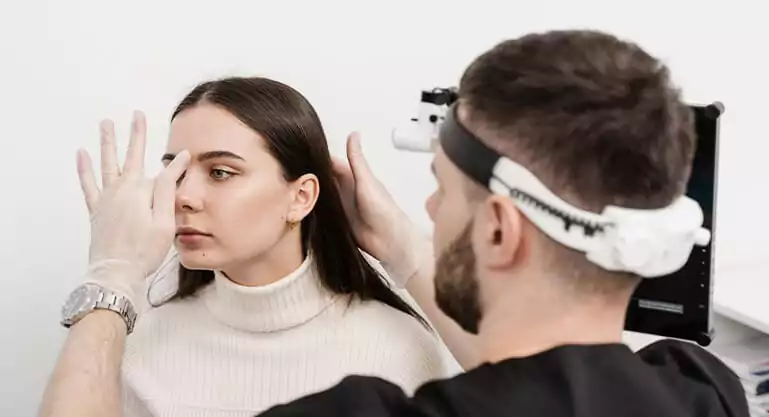
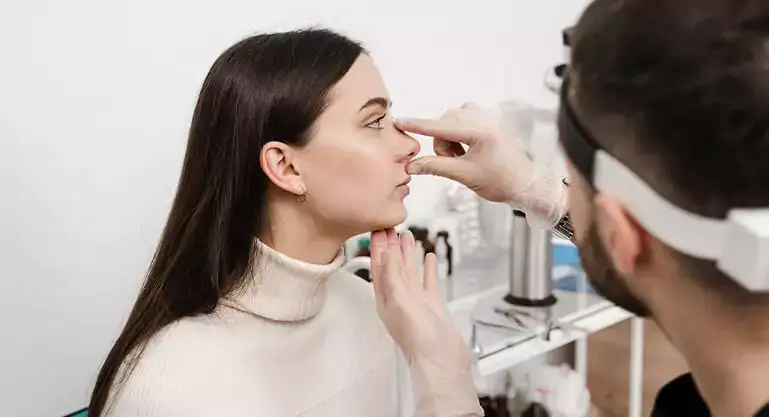
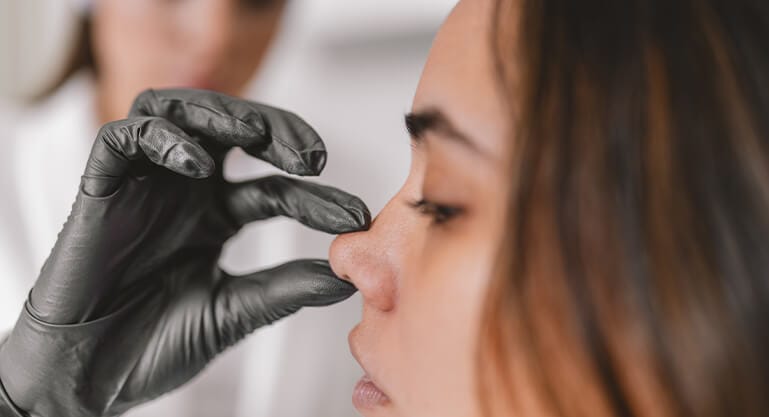
Before surgery, your consultation covers medical history, breathing concerns, previous injuries, and aesthetic goals. Photographs from multiple angles help with planning and expectation setting. You receive preoperative instructions about fasting, skincare, and any medications to pause. On the day, you meet anesthesia staff, review the plan, and confirm post op contact details. After surgery, you wake in recovery with a nasal splint and, in some cases, internal supports. Mild congestion and pressure are normal in the first week.
Pain is usually manageable with standard medication prescribed by your team. Sleep with your head elevated, use cool compresses as advised, and avoid glasses resting directly on the bridge until cleared. Splint removal commonly happens around a week, which is when many patients feel presentable for low key outings. Bruising fades over one to two weeks, while subtle swelling continues to settle over months, especially at the tip. Your surgeon will map out a realistic timeline so you know what to expect at each stage.
Istanbul is the most popular city for Rhinoplasty in Turkey because it concentrates high volume surgeons, international hospitals, and hotels near major clinics. You can move between airport, accommodation, and operating facility with minimal transfers. Ankara appeals to patients who prefer an academic setting with access to teaching hospitals and research informed protocols. Izmir offers a calmer pace with modern clinics and coastal neighborhoods that many find restful during recovery. Antalya draws medical travelers who want resort style accommodations, although quiet rest still comes first during the early days. The best city for you is the one where the right surgeon practices, with travel convenience and hotel comfort as helpful bonuses.
Safety is a system rather than a single decision. When you choose a qualified surgeon, an accredited hospital, and a plan that respects your health profile, Rhinoplasty in Turkey can be as safe as surgery in any major medical hub. Preoperative screening looks for conditions that raise risk, such as smoking, uncontrolled blood pressure, or clotting issues. Intraoperative technique preserves structural support so form and function improve together. Postoperative guidance minimizes avoidable problems with clear rules about activity, sleep, and wound care. Your role matters too. Share your full medical history, follow instructions closely, and ask questions when something feels unclear. A careful team and an informed patient reduce the chance of surprises.
Always read the inclusions line by line, and ask how changes in travel dates are handled so you can budget without guesswork.
Rhinoplasty in Turkey typically costs between $2,000 and $4,000, depending on the clinic and surgeon’s experience.
This price often includes consultation, surgery, accommodation, and airport transfers, making it highly cost-effective. Turkish clinics offer all-inclusive packages that attract international patients seeking both affordability and quality. Compared to prices in the US or UK, where rhinoplasty can exceed $8,000, Turkey provides significant savings without compromising standards. Istanbul is the most popular city for cosmetic surgery, known for its skilled surgeons and modern facilities.
Safety depends less on geography and more on surgeon training, facility standards, and your own preparation. When you vet a clinic, look for board-certified surgeons with rhinoplasty-heavy portfolios, accredited operating theaters, and transparent preoperative screening. A responsible team will decline or delay surgery if you’re not a good candidate on medical or psychological grounds. Safety also means honest conversations about limitations: nasal anatomy, skin thickness, and prior surgeries can affect what’s possible. If you approach the process with realistic expectations and choose a team that prioritizes conservative techniques and airway function (not just aesthetics) your risk profile improves significantly.
Most travelers plan to stay until splint removal, which is typically about a week, so the surgeon can check early healing and clear you for the flight home. Some patients add a few days for rest and a final review before departure. Your surgeon will tailor the timeline to your case and any functional work performed. If you can extend your trip by a day or two, you gain flexibility in case of minor scheduling shifts. Always book accommodation within easy reach of the clinic to make checkups simple.
Many patients do find Rhinoplasty in Turkey more budget friendly than in the UK or US once you account for surgeon’s fee, hospital costs, anesthesia, and travel. The key is careful comparison. Make sure each quote includes the same items, such as transfers, medications, hotel nights, and follow up care. A fair comparison avoids surprises and helps you judge value rather than chasing the lowest number. The goal is a predictable plan that meets clinical standards and respects your budget.
Turkey has many board certified surgeons who focus heavily on nasal surgery and handle both cosmetic and functional cases. Experience varies between providers, so your task is to verify credentials, review a broad range of before and after cases, and assess how clearly the surgeon explains risks, alternatives, and realistic outcomes. A good fit feels collaborative and grounded in evidence. If a clinic avoids detailed questions or cannot show diverse results, keep looking until you find a team that earns your confidence.
Early recovery is measured in days and weeks, while full refinement takes months. Most patients feel presentable after splint removal, which is usually around a week. Bruising tends to resolve within another week or two. Light routine activity resumes gradually, while heavy exercise and contact sports wait until you are cleared. Tip swelling declines slowly, and final definition often reveals itself over several months. Your surgeon will provide a timeline that reflects your technique and tissue characteristics so you know what is normal at each stage.
You can enjoy a relaxed stay, but your first priority is rest. Quiet walks, gentle sightseeing, and calm cafés are fine once your team approves. Avoid sun exposure, strenuous activity, and crowded spaces that increase the chance of bumps. If you plan to explore more widely, schedule major sightseeing for the tail end of your trip or for a future visit. Your nose needs time, and patience early on usually leads to better long term results.
Clinics that host international patients every week generally provide English speaking coordinators and interpreters. Consent forms and instructions are available in multiple languages, and you can request translation for any moment that feels technical or important. If you prefer, bring a companion who can help double check details during discharge. Clear communication is part of safe care, so do not hesitate to ask for clarification at any point.
Quotes vary with surgeon seniority, case complexity, facility level, anesthesia, and package inclusions such as transfers and hotel nights. A responsible clinic will review photos and medical history before offering a personalized estimate, and will explain what happens if travel plans shift. Avoid choosing only by headline price, since missing items can raise your final spend later. Rhinoplasty in Turkey fiyatları için hemen bize ulaşın.
Safety depends on picking the right team and following instructions closely. Choose an accredited facility, confirm anesthesia arrangements, and review how the surgeon preserves or improves the airway while refining shape. Your part includes avoiding smoking, disclosing all medications, and sticking to the postoperative plan, especially sleep elevation and activity limits. With these elements aligned, Rhinoplasty in Turkey can be both safe and predictable.
Fame is subjective and often tied to social media reach rather than the nuanced skills that matter in the operating room. A better question is who is the right surgeon for you. Look for a steady portfolio of natural results that resemble your goals, clear communication about risks, and a facility that matches your safety expectations. A personal fit with the surgeon’s philosophy and a transparent plan usually predicts a smoother experience than chasing a name alone.
Lists of the cheapest destinations rarely tell the full story, because they ignore surgeon experience, hospital standards, and aftercare quality. Price matters, but value matters more. If your priority is predictable care with clear communication and responsible follow up, compare what is included rather than focusing only on a low figure. Many patients find Rhinoplasty in Turkey offers a strong balance of quality, convenience, and overall cost, which explains its popularity with international travelers.
It’s a blend of volume, expertise, and value. Surgeons in Turkey often perform a high number of rhinoplasties each year, which sharpens technical skills and aesthetic judgment. Major cities host private hospitals and boutique surgical centers with dedicated rhinoplasty teams, anesthesia services, and English-speaking coordinators. Add in competitive pricing compared with Western Europe or North America and you get a compelling package for medical travelers. Tourism infrastructure is another plus: easy flight connections, reliable hotels near clinics, and aftercare services designed for short stays. None of that replaces credentials or due diligence, but it explains why the country is consistently on patient shortlists.
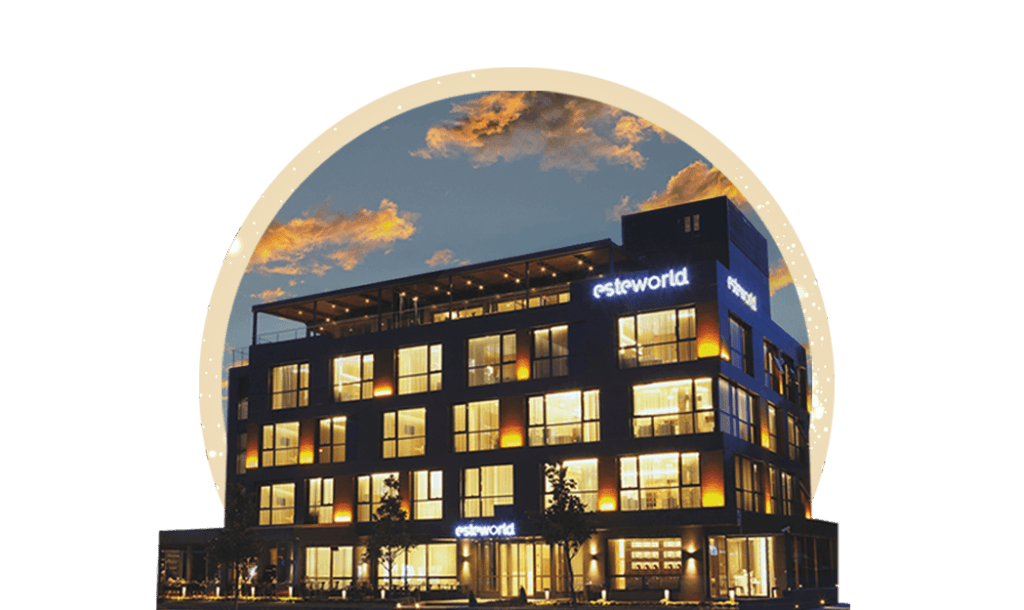
As Esteworld Health Group, Turkey’s leading provider of plastic and aesthetic surgery services, we have been offering aesthetic services at the highest medical standards since 1994 under the slogan “Healthy beauty!”


By Metrobus:
You can get off the Metrobus at Uzunçayır station and then take the minibuses and buses to Metropol Shopping Mall.
Bus Transportation:
You can take buses numbered 8K-10-10A-10EK-13-13ŞB-13AB-14ŞB-16M-19EK-19M-KM46-256 and get off at Ataşehir Plazalar stop.
Transportation by minibus:
You can take Üsküdar-Ferhat Paşa, Üsküdar-Ataşehir, Ümraniye-Ataşehir minibuses and get off at Ataşehir Plazalar stop.
By Metro
You can use the M4 Kadıköy-Sabiha Gökçen metro line and get off at Yenisahra or Kozyatağı stops and then take buses and minibuses to Metropol AVM.
Transportation from Sabiha Gökçen Airport:
You can take the M4 Kadıköy-Sabiha Gökçen metro line and get off at the Kozyatağı stop and then take the minibuses and buses to Ataşehir Metropol AVM.